Your Fire Safety Responsibilities as a Building Owner
- Posted by Sam Yates
- On June 25, 2026
- 0 Comments
- Building Owners, Building Safety, Commercial Buildings, Emergency Exits, Fire Alarms, Fire Doors, Fire Extinguishers, Fire Prevention, Fire Protection, Fire Regulations, Fire Risk Assessment, Fire Safety, Fire Safety Compliance, Fire Safety Management, Fire Safety Responsibilities, Health and Safety, passive fire protection, Property Management, Residential Buildings, Workplace Safety
Fire safety is more than a legal obligation—it’s a fundamental responsibility that protects lives, property, and businesses. Whether you own a commercial building, residential block, industrial facility, or mixed-use property, understanding your fire safety responsibilities is essential to ensuring compliance and maintaining a safe environment for everyone who occupies your premises.
In this guide, we’ll explain the key responsibilities of building owners and how you can stay compliant while reducing fire risks.
Why Fire Safety Matters
Every year, thousands of fires cause significant damage to buildings and, more importantly, put lives at risk. Many incidents are preventable through proper planning, regular inspections, and effective fire safety management.
As a building owner, taking proactive steps not only helps you meet legal requirements but also protects your investment and provides peace of mind for occupants.
Know Your Legal Responsibilities
Building owners are generally responsible for ensuring that reasonable fire safety measures are in place. Depending on your property type and local regulations, your responsibilities may include:
- Conducting regular fire risk assessments.
- Providing suitable fire detection and alarm systems.
- Installing and maintaining emergency lighting.
- Ensuring safe evacuation routes and emergency exits.
- Providing appropriate fire-fighting equipment.
- Maintaining fire doors and passive fire protection systems.
- Keeping accurate fire safety records.
- Ensuring occupants receive relevant fire safety information.
Failure to comply with fire safety legislation can result in enforcement notices, substantial fines, or even prosecution.
Carry Out Regular Fire Risk Assessments
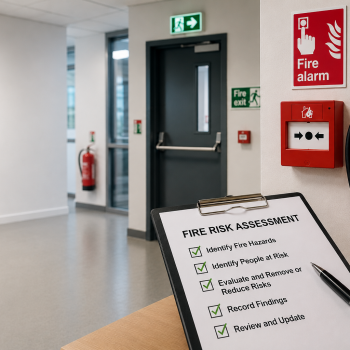
A fire risk assessment is the foundation of effective fire safety management. It helps identify potential hazards, evaluate who may be at risk, and determine the measures needed to minimise those risks.
A comprehensive assessment should consider:
- Sources of ignition
- Combustible materials
- Occupancy levels
- Escape routes
- Fire detection systems
- Emergency procedures
Fire risk assessments should be reviewed regularly, particularly after renovations, changes in occupancy, or significant alterations to the building.
Maintain Fire Detection and Alarm Systems
Fire alarms provide early warning, allowing occupants to evacuate safely before conditions become dangerous.
To ensure reliability:
- Test alarm systems regularly.
- Arrange professional servicing at recommended intervals.
- Repair faults promptly.
- Keep maintenance records.
A poorly maintained alarm system may fail when it is needed most.
Keep Escape Routes Clear
In an emergency, every second counts.
Building owners should ensure:
- Emergency exits remain unobstructed.
- Escape routes are clearly marked.
- Fire doors function correctly and remain closed where required.
- Emergency lighting operates during power failures.
Regular inspections help identify potential issues before they become safety risks.
Install and Maintain Fire Extinguishers
Different types of fires require different extinguishers. Selecting the correct equipment and placing it in appropriate locations is essential.
Routine maintenance ensures extinguishers remain operational and compliant with current standards.
Train Occupants and Staff
Even the best fire safety systems are ineffective if people do not know how to respond.
Where appropriate, ensure staff or building managers understand:
- Emergency evacuation procedures
- Fire alarm activation
- Assembly point locations
- Safe use of fire extinguishers
- Reporting fire hazards
Regular fire drills help reinforce these procedures.
Maintain Accurate Documentation
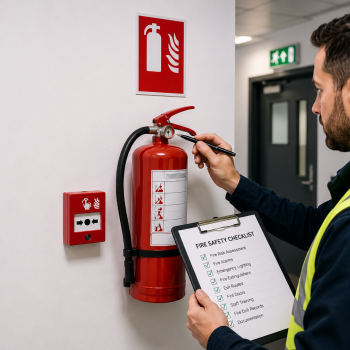
Keeping detailed records demonstrates compliance and supports ongoing fire safety management.
Documentation should include:
- Fire risk assessments
- Maintenance records
- Alarm testing logs
- Emergency lighting inspections
- Fire extinguisher servicing
- Fire drill records
- Staff training records
Well-maintained documentation can prove invaluable during inspections or investigations.
Don’t Overlook Passive Fire Protection
Passive fire protection helps contain fire and smoke, slowing their spread throughout the building.
This includes:
- Fire doors
- Fire-resistant walls and ceilings
- Fire stopping around service penetrations
- Compartmentation systems
These elements should be regularly inspected and maintained to ensure they continue performing as designed.
Work with Qualified Fire Safety Professionals
Fire safety regulations can be complex and evolve over time. Working with experienced fire safety specialists helps ensure your building remains compliant and your occupants stay protected.
Professional services can include:
- Fire risk assessments
- Fire door inspections
- Passive fire protection surveys
- Fire alarm maintenance
- Compliance audits
- Fire safety consultancy
Investing in expert advice today can help prevent costly issues in the future.
Final Thoughts
Fire safety is an ongoing responsibility—not a one-time task. By carrying out regular inspections, maintaining fire safety systems, training occupants, and staying up to date with legal requirements, building owners can significantly reduce fire risks while protecting lives and property.
Being proactive with fire safety demonstrates a commitment to compliance, responsible property management, and the wellbeing of everyone who enters your building.
If you’re unsure whether your building meets current fire safety requirements, consider arranging a professional fire safety assessment. Taking action today could make all the difference tomorrow.
Book your consultation today with one of our experts:

0 Comments