
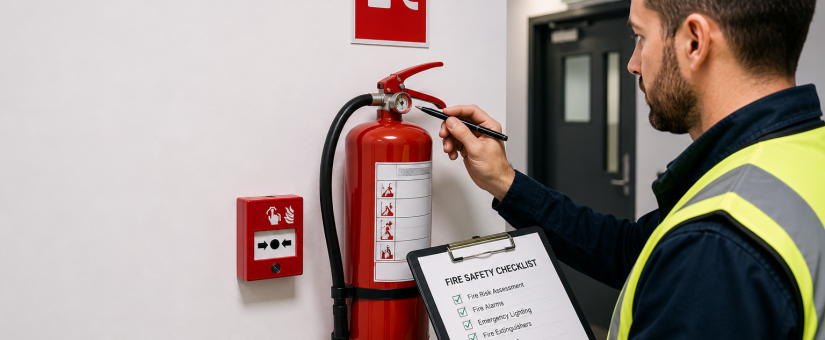
How to Pass a Fire Safety Audit: Essential Tips for Businesses
- Posted by Sam Yates
- On June 25, 2026
- 0 Comments
- Business Compliance, Commercial Fire Safety, Emergency Evacuation, Emergency Preparedness, Fire Alarms, Fire Doors, Fire Extinguishers, Fire Inspection, Fire Prevention, Fire Protection, Fire Risk Assessment, Fire Safety, Fire Safety Audit, Fire Safety Audit Preparation, Fire Safety Checklist, Fire Safety Compliance, Fire Safety Training, Health and Safety, Safety Management, Workplace Safety
Why Fire Safety Audits Matter
A fire safety audit is more than just a compliance exercise—it’s an opportunity to protect your people, property, and business continuity. Whether you’re managing an office, warehouse, retail store, educational institution, or industrial facility, being prepared for a fire safety audit demonstrates your commitment to maintaining a safe working environment.
A successful audit ensures that your fire safety measures meet legal requirements while identifying opportunities to reduce risk and improve emergency preparedness.
What Is a Fire Safety Audit?
A fire safety audit is a systematic assessment of your premises, fire protection systems, evacuation procedures, and safety management practices. The goal is to evaluate whether your business complies with current fire safety regulations and whether appropriate measures are in place to prevent and respond to fire emergencies.
Auditors typically assess:
- Fire risk assessments
- Fire detection and alarm systems
- Emergency lighting
- Fire extinguishers and suppression equipment
- Escape routes and emergency exits
- Staff fire safety training
- Fire safety documentation
- Maintenance records
How to Prepare for a Fire Safety Audit
1. Review Your Fire Risk Assessment
Ensure your fire risk assessment is current and accurately reflects your premises, occupancy, and business operations. If significant changes have been made to your building or processes, your assessment should be updated accordingly.
2. Inspect Fire Detection and Alarm Systems
Check that all fire alarms are functioning correctly and have been regularly tested and maintained. Ensure testing records are available and that any faults have been resolved promptly.
3. Verify Fire Extinguishers
Confirm that:
- Extinguishers are suitable for the fire risks present.
- Equipment is clearly visible and easily accessible.
- Annual servicing has been completed.
- Inspection labels are up to date.
4. Keep Escape Routes Clear
Emergency exits should never be obstructed. Walk all escape routes to ensure they are:
- Clearly marked
- Well illuminated
- Free from storage or obstacles
- Easy to open without keys where required
5. Test Emergency Lighting
Emergency lighting should operate correctly during power failures. Regular testing and maintenance records should be readily available for review.
6. Organise Your Documentation
Auditors will often request documentation such as:
- Fire risk assessments
- Fire alarm testing logs
- Fire extinguisher servicing certificates
- Emergency lighting inspection reports
- Fire drill records
- Staff training records
- Equipment maintenance schedules
Keeping these documents organised can significantly streamline the audit process.
7. Train Your Staff
Employees should understand:
- Fire evacuation procedures
- Assembly point locations
- How to report a fire
- Basic use of fire extinguishers (where appropriate)
- Their individual responsibilities during an emergency
Regular fire drills help reinforce these procedures and demonstrate compliance.
8. Check Fire Doors
Fire doors are essential for slowing the spread of smoke and flames. Ensure they:
- Close properly
- Are not wedged open
- Have functioning seals
- Are free from damage
- Are clearly identified where necessary
Common Issues Found During Fire Safety Audits
Many businesses fail audits because of relatively simple issues, including:
- Blocked emergency exits
- Missing or outdated fire safety signage
- Expired extinguisher servicing
- Incomplete maintenance records
- Poor housekeeping leading to combustible waste accumulation
- Staff unfamiliar with evacuation procedures
- Inadequate fire risk assessments
Addressing these issues beforehand can save time, reduce costs, and improve overall safety.
Benefits of Being Audit Ready
Preparing in advance offers several advantages:
- Demonstrates legal compliance
- Protects employees and visitors
- Reduces the likelihood of enforcement action
- Minimises business disruption
- Improves emergency preparedness
- Strengthens your organisation’s safety culture
- Provides peace of mind for management and stakeholders
Final Thoughts
Fire safety audits should be viewed as an opportunity rather than an obligation. By maintaining robust fire safety procedures, keeping documentation up to date, and ensuring staff are well trained, your business will not only be prepared for an audit but will also create a safer environment for everyone.
Fire safety is an ongoing responsibility, not a one-time task. Regular inspections, preventative maintenance, and continuous staff awareness are the foundations of effective fire risk management.
Need help preparing for your next fire safety audit?
Working with experienced fire safety professionals can help identify compliance gaps, improve emergency planning, and ensure your business remains fully prepared. A proactive approach today can prevent costly incidents tomorrow while protecting what matters most—your people and your business.
Book your consultation today with one of our experts:


0 Comments