Fire Risk Assessments: Common Problems and Practical Solutions
- Posted by Sam Yates
- On June 25, 2026
- 0 Comments
- Building Safety, Business Safety, Commercial Fire Safety, Emergency Evacuation, Fire Alarms, Fire Doors, Fire Extinguishers, Fire Hazards, Fire Prevention, Fire Risk Assessment, Fire Risk Management, Fire Safety, Fire Safety Compliance, Fire Safety Regulations, Fire Safety Training, Health and Safety, Risk Assessment, Safety Compliance, Workplace Fire Safety, Workplace Safety
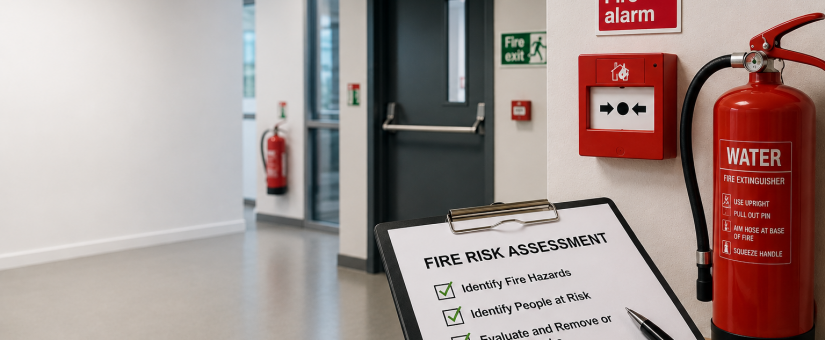
Fire safety is more than a legal requirement—it’s a crucial part of protecting people, property, and business continuity. A Fire Risk Assessment (FRA) helps identify potential fire hazards, evaluate the risks, and implement measures to reduce them. However, many businesses unknowingly overlook common issues that can compromise fire safety and lead to legal consequences.
In this article, we’ll explore the most frequent problems identified during Fire Risk Assessments and how to address them effectively.
1. Blocked or Obstructed Fire Exits
One of the most common issues found during Fire Risk Assessments is blocked emergency exits. Storage boxes, equipment, furniture, or even waste materials can obstruct escape routes, making evacuation difficult during an emergency.
How to Address It
- Keep all fire exits and escape routes clear at all times.
- Conduct regular inspections to ensure no obstructions develop.
- Clearly mark emergency exits with appropriate signage.
- Educate employees on the importance of maintaining clear escape routes.
2. Inadequate Fire Detection and Alarm Systems
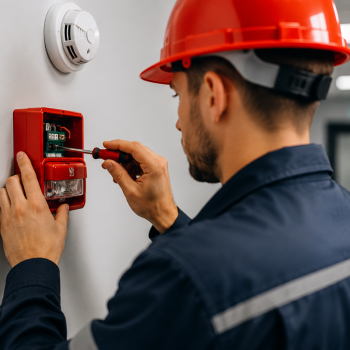
Smoke detectors and fire alarm systems are essential for early warning, but they are often poorly maintained, incorrectly installed, or insufficient for the building’s layout.
How to Address It
- Test fire alarm systems regularly.
- Schedule routine servicing by qualified professionals.
- Ensure detectors are installed in all appropriate locations.
- Upgrade outdated systems where necessary.
3. Poor Housekeeping
Accumulated combustible waste, excessive storage, and clutter significantly increase the likelihood of a fire starting and spreading quickly.
How to Address It
- Implement a regular cleaning schedule.
- Dispose of combustible waste promptly.
- Store flammable materials safely and in designated areas.
- Maintain organised storage spaces.
4. Faulty Electrical Equipment
Electrical faults remain one of the leading causes of workplace fires. Damaged cables, overloaded sockets, and poorly maintained equipment all present significant risks.
How to Address It
- Carry out regular electrical inspections.
- Replace damaged equipment immediately.
- Avoid overloading extension leads and sockets.
- Encourage staff to report electrical defects promptly.
5. Fire Doors Not Functioning Properly
Fire doors are designed to contain smoke and flames, giving occupants valuable time to escape. Unfortunately, they are often wedged open, damaged, or poorly maintained.
How to Address It
- Never wedge fire doors open unless approved automatic hold-open devices are installed.
- Inspect fire doors regularly.
- Ensure self-closing mechanisms work correctly.
- Repair or replace damaged doors promptly.
6. Lack of Employee Fire Safety Training
Even with excellent fire safety equipment, employees may not know how to respond during an emergency if they haven’t received adequate training.
How to Address It
- Provide regular fire safety awareness training.
- Conduct evacuation drills at least annually.
- Ensure all staff understand evacuation procedures.
- Train designated fire wardens where appropriate.
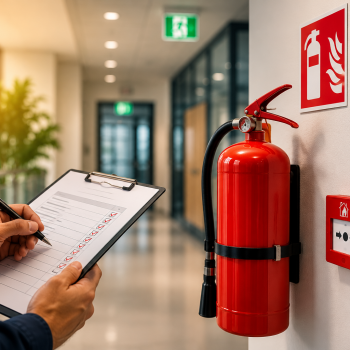
7. Inadequate Fire Extinguisher Provision
Having too few extinguishers—or the wrong type—can make a small incident much more serious.
How to Address It
- Install extinguishers suitable for the specific fire risks present.
- Service extinguishers annually.
- Position them in accessible locations.
- Train staff on when and how to use them safely.
8. Outdated Fire Risk Assessments
Many organisations complete a Fire Risk Assessment once and assume the job is done. However, workplaces evolve, layouts change, and new hazards emerge over time.
How to Address It
- Review your Fire Risk Assessment regularly.
- Update it following significant changes to the building, occupancy, or work activities.
- Keep records of actions taken and completed improvements.
Why Regular Fire Risk Assessments Matter
A Fire Risk Assessment is not simply a compliance exercise—it helps protect lives, reduce property damage, minimise business disruption, and demonstrate a commitment to safety. Identifying issues early allows businesses to take practical steps before they become costly or dangerous.
Regular assessments also help organisations remain compliant with fire safety legislation and provide reassurance to employees, customers, and visitors.
Final Thoughts
Fire risks can often be managed with straightforward preventative measures. From maintaining fire exits and alarms to ensuring staff are properly trained, addressing common issues significantly reduces the likelihood and impact of a fire.
If you’re unsure whether your current Fire Risk Assessment is up to date or comprehensive, now is an excellent time to review it. A proactive approach to fire safety today can prevent serious consequences tomorrow.
Need expert advice? A professional Fire Risk Assessment carried out by a competent assessor can identify hidden risks, ensure legal compliance, and provide practical recommendations tailored to your premises.
Book your consultation with one of our experts today:

0 Comments