ClickCease

Have any questions? 0203 6176910 or enquiries@firelux.io

25Jun
Featured Image

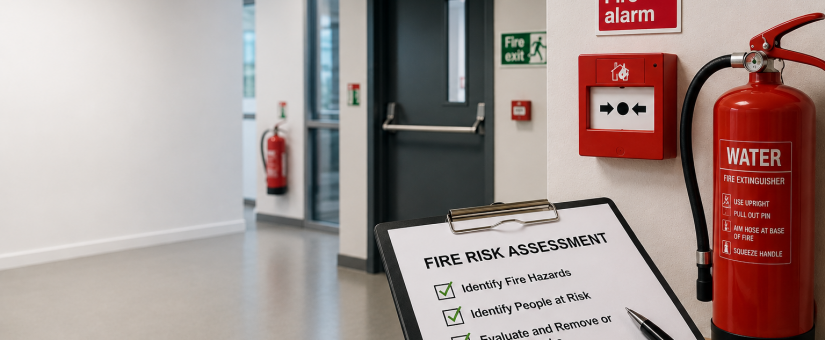
Fire Risk Assessments: Common Problems and Practical Solutions

  • 0 Comments
  • Building Safety, Business Safety, Commercial Fire Safety, Emergency Evacuation, Fire Alarms, Fire Doors, Fire Extinguishers, Fire Hazards, Fire Prevention, Fire Risk Assessment, Fire Risk Management, Fire Safety, Fire Safety Compliance, Fire Safety Regulations, Fire Safety Training, Health and Safety, Risk Assessment, Safety Compliance, Workplace Fire Safety, Workplace Safety
Fire safety is more than a legal requirement—it’s a crucial part of protecting people, property, and business continuity. A Fire Risk Assessment (FRA) helps identify potential fire hazards, evaluate the risks, and implement measures to reduce them. However, many businesses unknowingly overlook common issues that can compromise fire safety and lead to legal consequences. In […]
Read More
 
25Jun
Featured Image

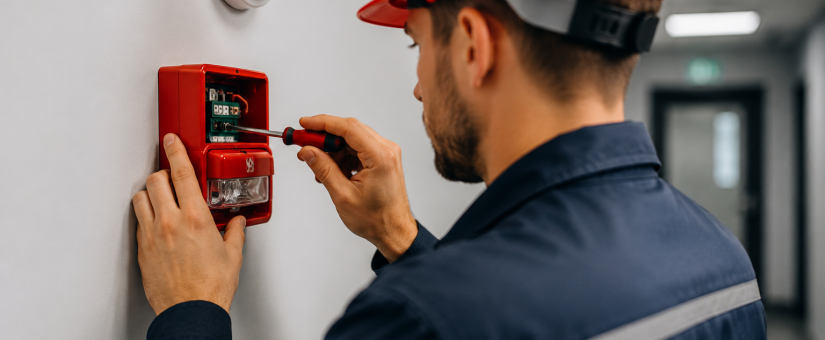
How Often Should Fire Alarms Be Tested and Serviced?

  • 0 Comments
  • BS 5839, Building Safety, commercial fire alarms, fire alarm inspections, fire alarm maintenance, fire alarm regulations, fire alarm servicing, fire detection systems, Fire Protection, Fire Risk Assessment, Fire Safety, Fire Safety Compliance, ire alarm testing, UK fire safety, Workplace Fire Safety
Fire alarms are one of the most important safety systems in any building. They provide early warning in the event of a fire, helping occupants evacuate quickly and allowing emergency services to respond before a small incident becomes a major disaster. However, a fire alarm system is only effective if it is working correctly. That’s […]
Read More
 
25Jun
Featured Image

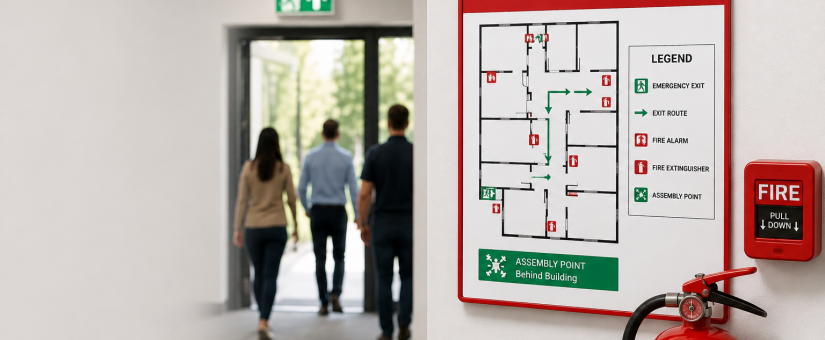
The Importance of Fire Evacuation Plans for Business Safety

  • 0 Comments
  • Building Safety, Business Safety, Emergency Evacuation, Emergency Planning, Emergency Preparedness, Employee Safety, Fire Emergency Plan, Fire Evacuation, Fire Evacuation Plans, Fire Evacuation Procedures, Fire Marshals, Fire Prevention, Fire Risk Assessment, Fire Safety, Fire Safety Compliance, Fire Safety Training, Health and Safety, Risk Management, Workplace Fire Safety, Workplace Safety
Why Fire Evacuation Plans Are Essential for Every Workplace When a fire breaks out, every second counts. In an emergency, panic and confusion can quickly take over, making it difficult for people to think clearly or make safe decisions. This is why having a well-designed fire evacuation plan is not just a legal requirement in […]
Read More
 
25Jun
Featured Image

The Importance of Fire Alarm Zone Plans in Emergency Response

  • 0 Comments
  • BS 5839, Building Safety, Emergency Planning, Fire Alarm Compliance, Fire Alarm Systems, Fire Alarm Zone Plans, Fire Protection, Fire Risk Assessment, Fire Safety, Fire Safety Regulations
Why Fire Alarm Zone Plans Are Essential for Building Safety When a fire alarm activates, every second counts. Fire alarm systems are designed to provide early warning of a fire, but their effectiveness depends on how quickly the source of the alarm can be identified. This is where fire alarm zone plans play a vital […]
Read More
 
09Feb
Featured Image

Preventing Risk in HMOs: Why PAT Testing Really Matters

  • 0 Comments
  • Electrical safety in HMOs, HMO electrical safety regulations, HMO licensing compliance, HMO PAT testing requirements, HMO property management, Landlord safety responsibilities, PAT testing for HMOs, PAT testing HMO landlords, Private rented sector compliance
Why PAT Testing Is Critical for Safety and Compliance in HMOs Houses in Multiple Occupation (HMOs) present unique safety challenges. With multiple tenants sharing a single property, the risk of electrical faults, misuse of appliances and general wear and tear is significantly higher than in single-let homes. One of the most effective ways to reduce […]
Read More
 
07Jan
Featured Image

Fire Risk Assessments & Legal Conveyancing

  • 0 Comments
  • Commercial Property, Conveyancing, Conveyancing Process, Fire Risk, Fire Risk Assessment, Fire Risk Assessment Checklist, Fire Safety, Fire Safety in Property, Fire Safety Laws, Fire Safety Regulations, HMO fire safety, Legal Compliance, Property Conveyancing, Property Transactions, Property Value, Real Estate Safety
When it comes to property transactions, there are many legal and safety checks that need to be carried out. One crucial aspect often overlooked during the conveyancing process is the fire risk assessment. Fire safety isn’t just a matter of having working smoke detectors; it’s about ensuring that the property being transferred meets all the […]
Read More
 
20Oct
Featured Image

Why fire stopping is a crucial aspect of fire safety under The Regulatory Reform (Fire Safety) Order 2005

  • 0 Comments
  • building fire safety, fire compartmentation, Fire Risk Assessment, fire safety order, Fire Safety Regulations, fire stopping, fire stopping compliance, fire stopping installation, fire stopping maintenance, legal fire safety requirements, passive fire protection, Regulatory Reform (Fire Safety) Order 2005, UK fire safety laws
Fire stopping is a fundamental component of passive fire protection and is essential for compliance with the Regulatory Reform (Fire Safety) Order 2005 (FSO). Under the FSO, the Responsible Person (such as the building owner, occupier, or employer) has a legal duty to take general fire precautions to ensure the safety of occupants and others […]
Read More
 
12Oct
Featured Image

Emergency Lighting and Fire Safety: Everything You Need to Know

  • 0 Comments
  • BS 5266, Building Safety, Commercial Fire Safety, Emergency Exit Signs, Emergency Lighting Installation, Emergency Lighting Maintenance, Emergency Lighting Systems, Emergency Lighting Testing, Emergency Lighting. Fire Safety, Exit Signs, Fire Alarm Systems, Fire Escape Lighting, Fire Risk Assessment, Fire Safety Compliance, Fire Safety Regulations, Fire Safety Tips, Health and Safety Lighting, Standby Lighting
When it comes to protecting lives and property, emergency lighting and fire safety systems are non-negotiable components of any building’s safety infrastructure. Whether you manage a commercial property, own a business, or oversee residential developments, understanding these essential safety measures is crucial. In this comprehensive guide, we’ll cover everything you need to know about emergency […]
Read More
 
11Oct
Featured Image

The Critical Importance of Working Fire Alarm Systems in HMOs

  • 0 Comments
  • BS 5839 fire alarm system, Building Compliance, emergency evacuation HMOs, fire alarm maintenance HMO, fire alarm system maintenance, fire alarm systems in HMOs, fire risk assessment HMO, fire safety in shared housing, Fire Safety Inspection, fire safety obligations for landlords, Fire Safety Plan, Fire Safety Standards, Health and Safety, HMO compliance checklist, HMO fire alarm regulations, HMO fire safety, HMO legal requirements, HMO Safety, house in multiple occupation fire safety, landlord fire safety responsibilities, Landlord Responsibilities, Property Safety, Residential Fire Safety, Risk Assessment Tools, Risk Mitigation, Safety Regulations, shared accommodation fire safety, smoke alarms in HMOs, tenant fire safety tips, Tenant Safety, The Fire Safety England Regulations 2022, Workplace Safety
When it comes to shared housing, safety is not optional—it’s essential. In Houses in Multiple Occupation (HMOs), where several tenants live under one roof, often with individual tenancy agreements the risks associated with fire are significantly higher than in single-family homes. That’s why a fully operational, well-maintained fire alarm system is not just a legal […]
Read More
 
05Oct
Featured Image

The Importance of Fire Safety Compliance in Care Homes

  • 0 Comments
  • Care home fire safety risk assessment, Fire evacuation plans care homes, Fire prevention in care settings, Fire risk assessment for care homes, Fire risk management in care homes, Fire safety audit for care homes, Fire safety compliance in care homes, Fire safety regulations care homes, Nursing home fire risk assessment, Residential care fire safety
When it comes to protecting vulnerable individuals, few environments are as sensitive or high-risk as a care home. Residents often have limited mobility, underlying health conditions, or cognitive impairments, making swift evacuation during emergencies a challenge. This is why fire safety compliance in care homes is not just a regulatory requirement—it’s a moral and operational […]
Read More
 1
×