Why fire stopping is a crucial aspect of fire safety under The Regulatory Reform (Fire Safety) Order 2005
- Posted by Sam Yates
- On October 20, 2025
- 0 Comments
- building fire safety, fire compartmentation, Fire Risk Assessment, fire safety order, Fire Safety Regulations, fire stopping, fire stopping compliance, fire stopping installation, fire stopping maintenance, legal fire safety requirements, passive fire protection, Regulatory Reform (Fire Safety) Order 2005, UK fire safety laws
Fire stopping is a fundamental component of passive fire protection and is essential for compliance with the Regulatory Reform (Fire Safety) Order 2005 (FSO). Under the FSO, the Responsible Person (such as the building owner, occupier, or employer) has a legal duty to take general fire precautions to ensure the safety of occupants and others who may be affected by a fire.
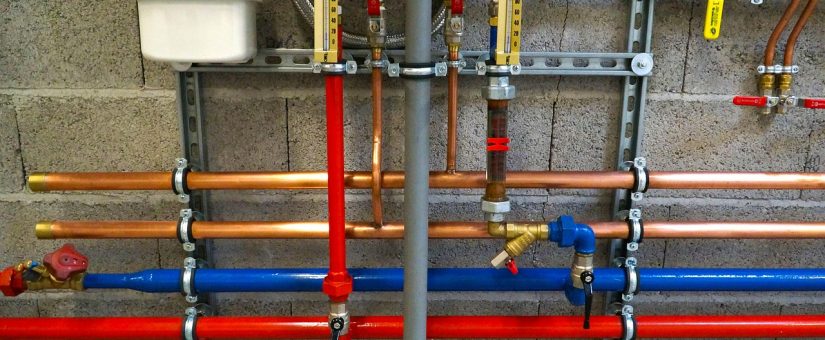
One of the key requirements under the Order is to reduce the risk of fire spreading within a building. Fire stopping directly supports this by maintaining the fire-resisting performance of walls, floors and other compartment boundaries. It involves sealing gaps, penetrations and junctions where services like pipes, ducts and cables pass through fire-rated construction, thereby preventing the uncontrolled spread of fire, smoke and toxic gases.
If these penetrations are left unsealed or improperly protected, the effectiveness of fire compartmentation is compromised, allowing fire and smoke to travel rapidly through the building. This significantly increases the risk to life, particularly by reducing the time available for safe evacuation and the conditions in protected escape routes.
Failure to implement adequate fire stopping measures can be deemed a breach of the Fire Safety Order, potentially resulting in enforcement action, prohibition notices and even criminal prosecution. Therefore, the responsible person must ensure that fire stopping is correctly installed, regularly inspected and properly maintained as part of the building’s overall fire risk assessment and fire safety management strategy.
Contact the team today for consultation:


0 Comments