
The Importance of Fire Safety Compliance in Care Homes
- Posted by Sam Yates
- On October 5, 2025
- 0 Comments
- Care home fire safety risk assessment, Fire evacuation plans care homes, Fire prevention in care settings, Fire risk assessment for care homes, Fire risk management in care homes, Fire safety audit for care homes, Fire safety compliance in care homes, Fire safety regulations care homes, Nursing home fire risk assessment, Residential care fire safety
When it comes to protecting vulnerable individuals, few environments are as sensitive or high-risk as a care home. Residents often have limited mobility, underlying health conditions, or cognitive impairments, making swift evacuation during emergencies a challenge. This is why fire safety compliance in care homes is not just a regulatory requirement—it’s a moral and operational imperative.
Why Fire Safety Is Critical in Care Homes
1. Protecting Vulnerable Lives
Residents in care homes often cannot self-evacuate without assistance. This increases the risk of harm during a fire and demands a tailored approach to fire safety planning and training.
2. Legal and Regulatory Requirements
In the UK, care homes must comply with the Regulatory Reform (Fire Safety) Order 2005, which places responsibility for fire safety on a designated “responsible person.” This includes risk assessments, emergency planning, staff training, and fire safety measures. Failure to comply can result in prosecution, hefty fines or even closure.
3. Preventing Catastrophic Outcomes
History has shown the devastating impact of fires in care settings. Lives can be lost in minutes. Compliance with fire safety standards significantly reduces the likelihood of a fire starting or escalating uncontrollably.
4. Staff and Family Confidence
Families entrust care homes with the safety of their loved ones. Knowing that fire precautions are robust gives peace of mind to relatives and boosts staff confidence in responding to emergencies.
Key Areas of Fire Safety Compliance
🔍 Fire Risk Assessments
A comprehensive fire risk assessment is the foundation of safety. It must be reviewed regularly and updated whenever significant changes occur (e.g., new residents, layout changes, or equipment upgrades).
🧯 Fire Detection and Prevention Systems
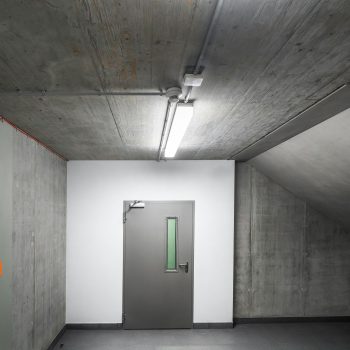
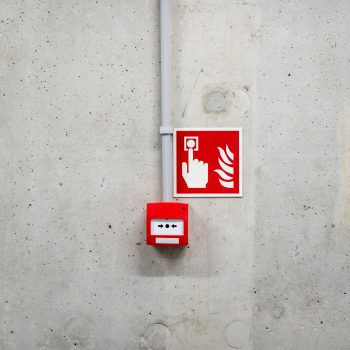
Smoke alarms, fire doors, sprinkler systems, and emergency lighting must be installed and maintained in line with current standards. Regular testing is non-negotiable.
🚪 Evacuation Plans and Procedures
A personal emergency evacuation plan (PEEP) should be in place for every resident, considering mobility, sensory impairments and cognitive conditions. Regular drills are essential to test the practicality of these plans.
👩🏫 Staff Training
All staff whether clinical, administrative or cleaning must receive ongoing fire safety training. They should be confident in raising alarms, using fire extinguishers and safely evacuating residents.
🗂️ Documentation and Compliance Records
Keeping accurate records of maintenance checks, training, risk assessments and drills ensures accountability and helps during audits or inspections.
The Cost of Non-Compliance
Non-compliance can lead to:
-
Legal consequences: Including enforcement notices, fines and criminal charges.
-
Reputational damage: Loss of trust from families and stakeholders.
-
Operational disruption: Closure of parts of the premises or the entire facility.
-
Loss of life: The most tragic and irreversible outcome.
Final Thoughts
Fire safety in care homes is not optional it is a duty of care. While the requirements may seem extensive, they are designed to save lives and protect the well-being of those who rely most on others. By prioritising compliance, care homes demonstrate their commitment to safety, professionalism and compassion.
Whether you’re a care home manager, staff member or family member of a resident, staying informed and vigilant about fire safety compliance is everyone’s responsibility. In an emergency, preparation is the difference between chaos and control and ultimately, between life and death.
If you’re unsure about your current fire safety compliance, consult one of our qualified fire risk assessors today for guidance. It’s a step that could save lives.

0 Comments