
Maintaining Fire Safety in Commercial Buildings
- Posted by Sam Yates
- On June 25, 2026
- 0 Comments
- building maintenance, Business Safety, Commercial Buildings, Commercial Fire Safety, Commercial Property, electrical safety, Emergency Exits, Emergency Preparedness, facility management, fire alarm maintenance, Fire Compliance, Fire Extinguishers, fire inspections, Fire Prevention, Fire Protection, Fire Risk Assessment, Fire Safety, Fire Safety Regulations, Health and Safety, Workplace Safety
Fire safety is one of the most important responsibilities for any commercial building owner or facility manager. Whether you operate an office, retail store, warehouse, healthcare facility, or educational institution, maintaining a safe environment protects employees, customers, assets, and your business reputation.
A proactive approach to fire safety not only helps prevent emergencies but also ensures compliance with local fire regulations and minimizes costly disruptions.
Why Fire Safety Maintenance Matters
Fire incidents can have devastating consequences, including injuries, property damage, business interruption, and legal liabilities. Many fires are preventable through regular inspections, maintenance, and employee awareness.
Proper fire safety maintenance helps to:
- Protect lives and property
- Ensure compliance with fire safety legislation
- Reduce insurance risks and premiums
- Minimize operational downtime
- Maintain business continuity
Essential Fire Safety Measures
1. Conduct Regular Fire Risk Assessments
A fire risk assessment identifies potential hazards and evaluates the effectiveness of existing fire safety measures. Assessments should be reviewed regularly, especially after renovations, changes in occupancy, or operational modifications.
Key areas to assess include:
- Fire hazards
- Escape routes
- Emergency lighting
- Fire detection systems
- Fire-fighting equipment
2. Maintain Fire Detection and Alarm Systems
Smoke detectors and fire alarm systems are your first line of defense. Routine inspections and testing ensure they function correctly when needed.
Maintenance should include:
- Weekly alarm testing
- Regular inspection of detectors
- Battery replacement where required
- Annual servicing by qualified professionals
3. Inspect Fire Extinguishers
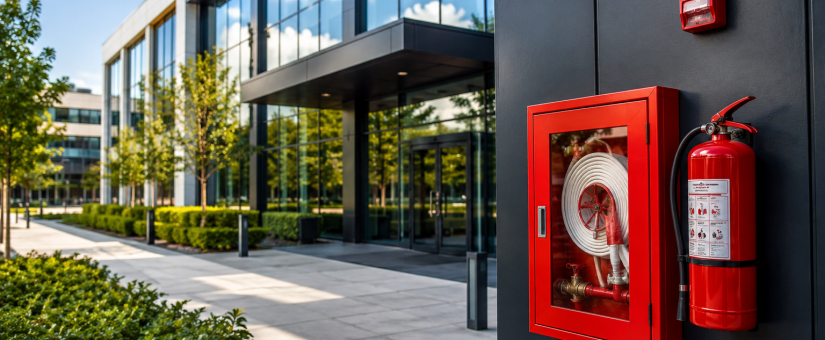
Fire extinguishers should be strategically located throughout the building and easily accessible. Regular inspections help ensure they remain fully operational.
Check for:
- Correct pressure levels
- Visible damage or corrosion
- Clear signage
- Up-to-date servicing records
Staff should also receive training on selecting and using the appropriate extinguisher for different types of fires.
4. Keep Emergency Exits Clear
Emergency exits must remain unobstructed at all times. During an emergency, blocked escape routes can significantly increase the risk to occupants.
Regularly inspect:
- Exit doors
- Corridors
- Stairwells
- Exit signage
- Emergency lighting
5. Maintain Electrical Systems
Electrical faults remain one of the leading causes of commercial fires. Preventative maintenance helps identify worn wiring, overloaded circuits, or faulty equipment before they become hazardous.
Best practices include:
- Routine electrical inspections
- PAT testing where applicable
- Avoiding overloaded sockets
- Replacing damaged cables promptly
6. Train Employees
Even the most advanced fire safety systems are only effective if employees know how to respond during an emergency.
Training should cover:
- Fire evacuation procedures
- Assembly points
- Fire extinguisher awareness
- Reporting hazards
- Emergency contact procedures
Regular fire drills help reinforce these procedures and improve preparedness.
Common Fire Hazards in Commercial Buildings
Businesses should remain vigilant for common fire risks such as:
- Faulty electrical equipment
- Improper storage of flammable materials
- Blocked fire exits
- Overloaded electrical outlets
- Poor housekeeping
- Heating equipment placed near combustible materials
Routine inspections can help identify and eliminate these hazards before they escalate.
Create a Preventative Maintenance Schedule
A structured maintenance schedule ensures no aspect of fire safety is overlooked.
Your schedule should include:
- Weekly alarm tests
- Monthly emergency lighting checks
- Quarterly fire equipment inspections
- Annual servicing of fire alarms and extinguishers
- Regular fire risk assessment reviews
- Employee refresher training
Documenting maintenance activities also provides valuable records for regulatory compliance and insurance purposes.
Stay Compliant with Fire Safety Regulations
Fire safety legislation requires commercial property owners and employers to maintain adequate fire prevention measures. Compliance involves more than installing alarms—it requires ongoing inspection, maintenance, documentation, and staff training.
Working with qualified fire safety professionals ensures your systems remain compliant with current regulations and industry standards.
Final Thoughts
Maintaining fire safety in commercial buildings is an ongoing commitment rather than a one-time task. Regular inspections, preventative maintenance, employee training, and compliance with fire safety regulations work together to create a safer workplace for everyone.
By investing in proactive fire safety management, businesses can significantly reduce risks, protect valuable assets, and ensure they are prepared should an emergency occur.
Book your consultation today with one of our experts:

0 Comments