Fire Safety in Residential Block: Advice for Managing Agents
- Posted by Sam Yates
- On June 25, 2026
- 0 Comments
- Building Safety, Building Safety Act, communal areas, compliance, emergency lighting, escape routes, Fire Alarm Systems, Fire Doors, Fire Protection, Fire Risk Assessment, Fire Safety, Fire Safety Act, Fire Safety Compliance, Fire Safety Inspections, Fire Safety Regulations, Health and Safety, managing agents, passive fire protection, Property Management, Regulatory Reform Fire Safety Order, residential blocks, Residential Buildings, residential property management, responsible person, UK fire safety
Managing residential blocks comes with significant responsibilities, and none is more important than ensuring the safety of residents. Over recent years, fire safety legislation in England has evolved considerably. Consequently, managing agents, building owners, and Responsible Persons are now expected to take a far more proactive approach to managing fire risks. Accordingly, understanding your legal obligations is essential, not only to remain compliant but also to protect lives, property, and your professional reputation. Ultimately, effective fire safety management provides reassurance to residents while reducing the likelihood of serious incidents.
Understand Your Legal Responsibilities
Managing agents often act on behalf of freeholders or building owners. Although ownership responsibilities may differ between buildings, managing agents still play a vital role in ensuring fire safety standards are maintained. Therefore, it is important to understand how legislation applies to your management responsibilities.
Relevant legislation includes:
- The Regulatory Reform (Fire Safety) Order 2005
- The Fire Safety Act 2021
- The Building Safety Act 2022
Together, these regulations require fire risks to be identified, assessed, and managed appropriately throughout the life of a building. Furthermore, legislation continues to evolve. As a result, staying informed of legal updates should form part of every managing agent’s compliance strategy. In addition, working with competent fire safety professionals helps ensure legal duties are met consistently.
Ensure Fire Risk Assessments Are Current
A suitable and sufficient Fire Risk Assessment (FRA) forms the foundation of effective fire safety management. Without one, it becomes much more difficult to identify hazards or prioritise improvements.
Managing agents should ensure that:
- Fire Risk Assessments are completed by competent assessors.
- Significant findings are addressed promptly.
- Assessments are reviewed regularly, particularly following alterations or changes in occupancy.
- Recommendations are monitored until completion.
Moreover, an FRA should never be treated as a one-off exercise. Instead, it should become part of an ongoing management programme. Likewise, recommendations should be reviewed periodically to confirm they remain effective. Consequently, emerging risks can be identified before they develop into more serious problems.
Maintain Fire Doors
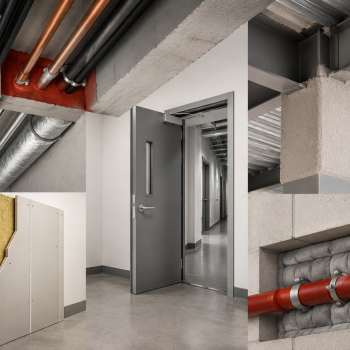
Fire doors remain one of the most effective forms of passive fire protection within residential buildings. When properly maintained, they help slow the spread of fire and smoke, allowing valuable time for evacuation.
Regular inspections should confirm that:
- Fire doors close fully and latch correctly.
- Intumescent seals remain intact.
- Smoke seals are undamaged.
- Hinges and ironmongery remain secure.
- Doors have not been altered or damaged.
Additionally, communal fire doors should be inspected routinely throughout the year. Similarly, flat entrance doors should also be checked where legislation requires. If issues are identified, repairs should be arranged promptly. Consequently, effective compartmentation can continue to protect residents during an emergency.
Keep Escape Routes Clear
Escape routes must remain unobstructed at all times. After all, even a small obstruction can delay evacuation or restrict firefighter access during an emergency.
Managing agents should routinely inspect communal areas for:
- Furniture
- Bicycles
- Mobility scooters
- Pushchairs
- Waste materials
- Combustible storage
Furthermore, inspections should be documented as part of routine building management. Likewise, residents should be reminded not to leave personal belongings within communal areas. As a result, escape routes remain safer for everyone. Equally important, regular housekeeping demonstrates a proactive commitment to fire safety.
Test Fire Detection and Alarm Systems
Where fire alarm systems are installed, routine testing is essential. Without regular maintenance, faults may go unnoticed until an emergency occurs.
Maintenance programmes should include:
- Weekly alarm testing where applicable
- Routine servicing by competent engineers
- Prompt fault rectification
- Accurate maintenance records
In addition, emergency lighting should also be tested regularly. Meanwhile, any recurring faults should be investigated thoroughly rather than simply reset. Consequently, residents can rely upon critical life safety systems when they are needed most.
Check Fire-Fighting Equipment
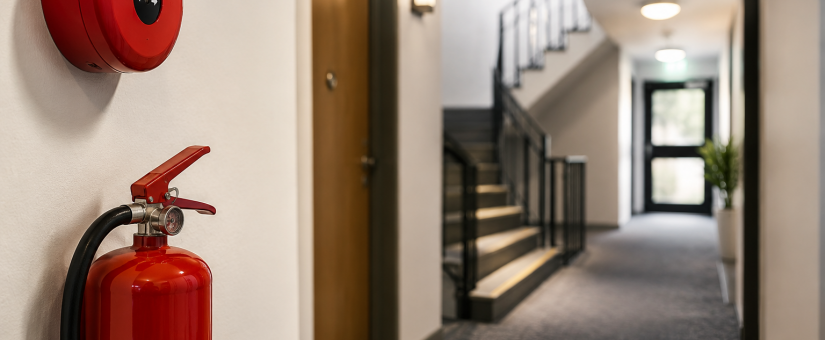
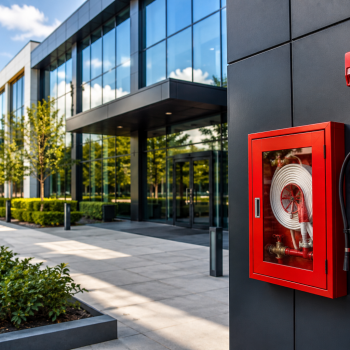
Communal fire extinguishers and other fire-fighting equipment require ongoing maintenance. Likewise, all equipment should remain clearly visible and easily accessible.
Managing agents should ensure equipment is:
- Serviced annually
- Correctly positioned
- Clearly signed
- Suitable for identified risks
Furthermore, damaged or missing equipment should be replaced as soon as possible. Similarly, servicing certificates should be retained for compliance purposes. As a result, building managers can demonstrate that equipment has been maintained correctly.
Manage Resident Communication
Effective fire safety depends upon residents understanding their responsibilities. Therefore, communication should never be overlooked.
Residents should receive guidance covering:
- The evacuation strategy
- Fire safety procedures
- Reporting hazards
- Keeping communal areas clear
- Not interfering with fire safety equipment
Additionally, information should be provided in a clear and accessible format. Likewise, reminders should be issued periodically throughout the year rather than only when problems arise. Consequently, residents are more likely to cooperate with fire safety procedures. Most importantly, informed residents contribute to a safer building.
Keep Accurate Fire Safety Records
Accurate documentation is essential for demonstrating compliance.
Records should include:
- Fire Risk Assessments
- Fire door inspections
- Alarm testing
- Emergency lighting tests
- Maintenance certificates
- Resident communications
- Contractor reports
Furthermore, records should be organised and easily accessible. In addition, documentation should be updated whenever inspections or maintenance are completed. Accordingly, managing agents will be better prepared for audits, insurer requests, or enforcement inspections.
Plan for Ongoing Compliance
Fire safety is an ongoing responsibility rather than a single task. As buildings change, risks can also change. Therefore, fire safety arrangements should be reviewed regularly.
Moreover, creating an annual fire safety programme helps ensure inspections, servicing, maintenance, and remedial works are completed on time. Similarly, periodic reviews help identify opportunities for continuous improvement. Ultimately, a proactive approach is considerably more effective than reacting after problems have developed.
Final Thoughts
Fire safety within residential blocks requires careful planning, consistent maintenance, and ongoing attention. By taking a proactive approach, managing agents can reduce risk while meeting their legal obligations. Furthermore, regular inspections, effective communication, and accurate record keeping all contribute to safer buildings. Consequently, residents benefit from greater protection and peace of mind. Above all, investing in robust fire safety management today helps prevent far more serious consequences in the future.
Book your consultation today with one of our experts:

0 Comments