ClickCease

Have any questions? 0203 6176910 or enquiries@firelux.io

25Jun
Featured Image

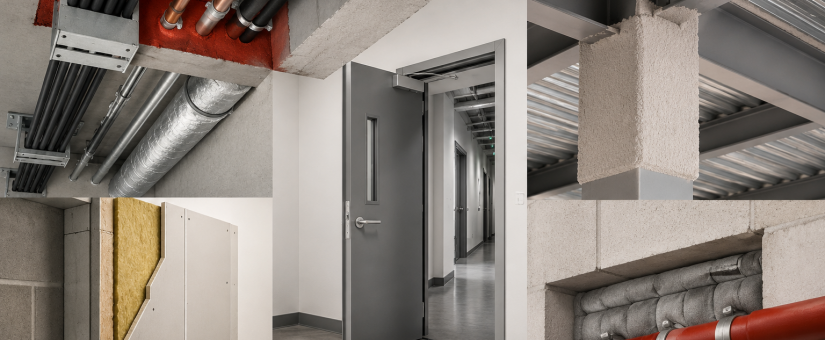
Passive Fire Protection Explained

  • 0 Comments
  • building fire safety, Building Regulations, Commercial Fire Protection, Construction Safety, fire compartmentation, Fire Doors, Fire Prevention, Fire Protection, Fire Resistant Materials, Fire Risk Management, Fire Safety, Fire Safety Compliance, Fire Safety Systems, fire stopping, Intumescent Coatings, passive fire protection, Passive Fire Safety, Residential Fire Protection, Smoke Control, Structural Fire Protection
Fire safety is one of the most important considerations in any building, whether it’s a residential property, commercial office, healthcare facility, or industrial site. While fire alarms, sprinklers, and extinguishers play a vital role in responding to a fire, passive fire protection works quietly in the background to slow the spread of flames and smoke—often […]
Read More

 
25Jun
Featured Image

Fire Safety in Residential Block: Advice for Managing Agents

  • 0 Comments
  • Building Safety, Building Safety Act, communal areas, compliance, emergency lighting, escape routes, Fire Alarm Systems, Fire Doors, Fire Protection, Fire Risk Assessment, Fire Safety, Fire Safety Act, Fire Safety Compliance, Fire Safety Inspections, Fire Safety Regulations, Health and Safety, managing agents, passive fire protection, Property Management, Regulatory Reform Fire Safety Order, residential blocks, Residential Buildings, residential property management, responsible person, UK fire safety
Managing residential blocks comes with significant responsibilities, and none is more important than ensuring the safety of residents. Over recent years, fire safety legislation in England has evolved considerably. Consequently, managing agents, building owners, and Responsible Persons are now expected to take a far more proactive approach to managing fire risks. Accordingly, understanding your legal […]
Read More
 
09Feb
Featured Image

Preventing Risk in HMOs: Why PAT Testing Really Matters

  • 0 Comments
  • Electrical safety in HMOs, HMO electrical safety regulations, HMO licensing compliance, HMO PAT testing requirements, HMO property management, Landlord safety responsibilities, PAT testing for HMOs, PAT testing HMO landlords, Private rented sector compliance
Why PAT Testing Is Critical for Safety and Compliance in HMOs Houses in Multiple Occupation (HMOs) present unique safety challenges. With multiple tenants sharing a single property, the risk of electrical faults, misuse of appliances and general wear and tear is significantly higher than in single-let homes. One of the most effective ways to reduce […]
Read More
 
20Oct
Featured Image

Why fire stopping is a crucial aspect of fire safety under The Regulatory Reform (Fire Safety) Order 2005

  • 0 Comments
  • building fire safety, fire compartmentation, Fire Risk Assessment, fire safety order, Fire Safety Regulations, fire stopping, fire stopping compliance, fire stopping installation, fire stopping maintenance, legal fire safety requirements, passive fire protection, Regulatory Reform (Fire Safety) Order 2005, UK fire safety laws
Fire stopping is a fundamental component of passive fire protection and is essential for compliance with the Regulatory Reform (Fire Safety) Order 2005 (FSO). Under the FSO, the Responsible Person (such as the building owner, occupier, or employer) has a legal duty to take general fire precautions to ensure the safety of occupants and others […]
Read More
 
05Oct
Featured Image

The Importance of Fire Safety Compliance in Care Homes

  • 0 Comments
  • Care home fire safety risk assessment, Fire evacuation plans care homes, Fire prevention in care settings, Fire risk assessment for care homes, Fire risk management in care homes, Fire safety audit for care homes, Fire safety compliance in care homes, Fire safety regulations care homes, Nursing home fire risk assessment, Residential care fire safety
When it comes to protecting vulnerable individuals, few environments are as sensitive or high-risk as a care home. Residents often have limited mobility, underlying health conditions, or cognitive impairments, making swift evacuation during emergencies a challenge. This is why fire safety compliance in care homes is not just a regulatory requirement—it’s a moral and operational […]
Read More
 1
×