
Emergency Lighting: Why It Matters and How to Maintain It
- Posted by Sam Yates
- On June 25, 2026
- 0 Comments
- battery backup lighting, Building Compliance, building maintenance, Business Safety, commercial safety, electrical safety, emergency exit lighting, emergency lighting, emergency lighting inspection, Emergency Lighting Maintenance, emergency lighting regulations, Emergency Lighting Systems, Emergency Lighting Testing, Emergency Preparedness, facilities management, Fire Protection, Fire Safety, Fire Safety Compliance, Safety Compliance, Workplace Safety
When the unexpected happens, every second counts. Whether it’s a power outage, fire, or other emergency, emergency lighting plays a critical role in helping people evacuate safely and reducing the risk of accidents. Yet, despite its importance, emergency lighting is often overlooked until it fails.
In this guide, we’ll explain why emergency lighting is essential, how it works, and the best practices for keeping your system compliant and fully operational.
What Is Emergency Lighting?
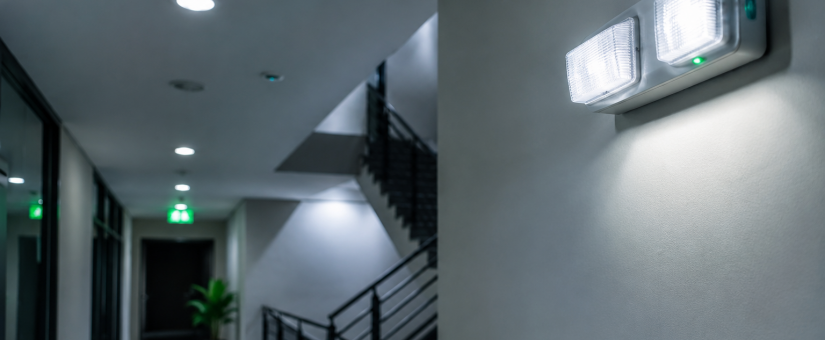
Emergency lighting is a backup lighting system that automatically activates when the main power supply fails. Its primary purpose is to illuminate escape routes, exits, stairwells, corridors, and other critical areas, allowing occupants to leave a building safely.
Most emergency lighting systems use rechargeable batteries that provide illumination for a specified duration, typically between one and three hours, depending on local regulations and building requirements.
Why Emergency Lighting Is Essential
1. Protects Lives
During an emergency, poor visibility can lead to panic, confusion, and injury. Emergency lighting ensures that occupants can quickly identify escape routes and exit the building safely.
2. Legal Compliance
Many commercial, industrial, and public buildings are legally required to install and maintain emergency lighting. Failure to comply with fire safety regulations can result in penalties, insurance complications, or even business closure.
3. Supports Emergency Services
Well-lit escape routes and exits help firefighters and emergency responders navigate buildings more efficiently, improving response times and reducing risks.
4. Minimises Business Disruption
Power failures don’t just affect safety—they can also interrupt business operations. A reliable emergency lighting system helps maintain order, allowing occupants to evacuate calmly while reducing confusion.
Common Types of Emergency Lighting
Different buildings require different emergency lighting solutions. The most common types include:
- Escape Route Lighting – Illuminates pathways leading to exits.
- Open Area (Anti-Panic) Lighting – Helps prevent panic in large spaces by providing enough light for occupants to reach escape routes.
- High-Risk Task Area Lighting – Provides sufficient illumination for areas where hazardous processes must be safely shut down before evacuation.
- Exit Sign Lighting – Clearly identifies emergency exits, ensuring they remain visible during power outages.
How Often Should Emergency Lighting Be Tested?
Regular testing is essential to ensure your emergency lighting system functions correctly when needed.
A typical maintenance schedule includes:
Monthly Functional Test
A short test verifies that each emergency light switches on when the main power is interrupted. This confirms the batteries and fittings are operational.
Annual Full Duration Test
A more comprehensive test involves running the system for its full rated duration (usually three hours) to ensure batteries can provide adequate illumination throughout an emergency.
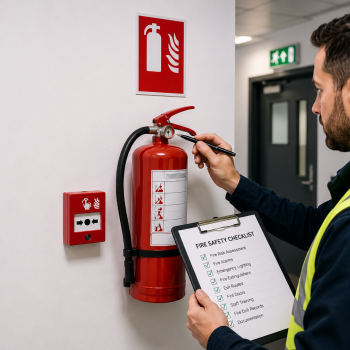
All tests should be recorded in a maintenance log to demonstrate compliance with fire safety regulations.
Signs Your Emergency Lighting Needs Attention
Your emergency lighting system may require maintenance if you notice:
- Lights fail to illuminate during testing
- Flickering or dim emergency lights
- Damaged fittings or lenses
- Battery warning indicators
- Missing or damaged exit signs
- Test records that are incomplete or overdue
Ignoring these warning signs could leave your building vulnerable during an emergency.
Best Practices for Emergency Lighting Maintenance
To keep your system reliable:
- Schedule regular inspections and testing.
- Replace batteries before they reach the end of their service life.
- Clean fittings to ensure maximum brightness.
- Repair damaged units promptly.
- Keep accurate maintenance records.
- Arrange professional servicing to ensure ongoing compliance.
Routine maintenance not only improves safety but can also extend the lifespan of your emergency lighting system.
Choosing the Right Emergency Lighting Provider
When selecting a maintenance provider, look for a company that offers:
- Qualified and experienced engineers
- Routine inspections and compliance testing
- Detailed maintenance reports
- Fast response for repairs
- Knowledge of current fire safety standards
- Ongoing support and advice
Working with professionals helps ensure your emergency lighting remains compliant, reliable, and ready when it’s needed most.
Final Thoughts
Emergency lighting is a vital part of any building’s fire safety strategy. It provides clear guidance during emergencies, protects occupants, and helps businesses meet legal obligations.
Regular inspections, routine testing, and professional maintenance are essential to ensure your emergency lighting system performs when it matters most. Investing in preventative maintenance today could make all the difference in an emergency tomorrow.
If you’re unsure whether your emergency lighting system is compliant or due for inspection, now is the perfect time to arrange a professional assessment and ensure your building remains safe, compliant, and prepared.
Book your consultation today with one of our experts:

0 Comments