
Passive Fire Protection Explained
- Posted by Sam Yates
- On June 25, 2026
- 0 Comments
- building fire safety, Building Regulations, Commercial Fire Protection, Construction Safety, fire compartmentation, Fire Doors, Fire Prevention, Fire Protection, Fire Resistant Materials, Fire Risk Management, Fire Safety, Fire Safety Compliance, Fire Safety Systems, fire stopping, Intumescent Coatings, passive fire protection, Passive Fire Safety, Residential Fire Protection, Smoke Control, Structural Fire Protection
Fire safety is one of the most important considerations in any building, whether it’s a residential property, commercial office, healthcare facility, or industrial site. While fire alarms, sprinklers, and extinguishers play a vital role in responding to a fire, passive fire protection works quietly in the background to slow the spread of flames and smoke—often saving lives and reducing property damage.
In this guide, we’ll explain what passive fire protection is, how it works, and why every building should have an effective passive fire protection strategy.
What Is Passive Fire Protection?
Passive Fire Protection (PFP) refers to the built-in fire safety features of a building that help contain a fire, prevent it from spreading, and maintain the structural integrity of the building during a fire.
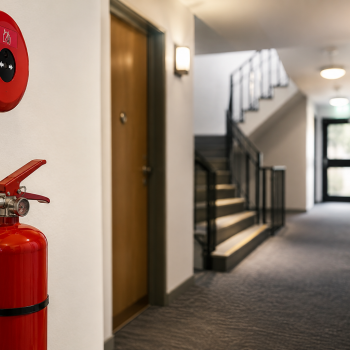
Unlike active fire protection systems, which require activation (such as sprinklers or fire alarms), passive fire protection is always in place and requires no external power or manual operation to perform its function.
Its primary objective is to give occupants more time to evacuate safely while allowing emergency services better access to control the fire.
How Does Passive Fire Protection Work?
Passive fire protection creates fire-resistant compartments within a building. These compartments help restrict the movement of fire, smoke, and toxic gases from one area to another.
A properly designed passive fire protection system can:
- Slow the spread of flames
- Reduce smoke migration
- Protect structural steel from heat
- Maintain safe escape routes
- Minimise damage to the building
- Improve occupant safety
By containing a fire within a designated area, passive fire protection significantly reduces the risk of widespread destruction.
Common Types of Passive Fire Protection
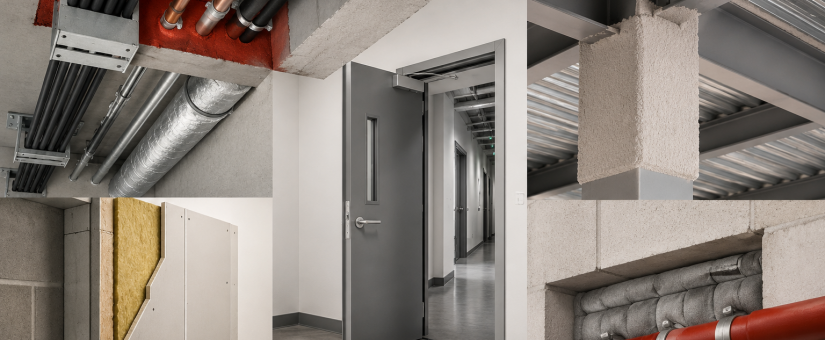
Fire Stopping
Fire stopping seals openings around service penetrations such as electrical cables, pipes, ductwork, and conduits that pass through fire-rated walls and floors.
Without appropriate fire stopping, these small gaps can allow fire and smoke to spread rapidly between compartments.
Common fire stopping products include:
- Fire-rated sealants
- Intumescent collars
- Fire pillows
- Fire batt systems
- Fire wraps
Fire Doors
Fire doors are specially constructed doors designed to resist fire for a specified period, typically 30, 60, or 120 minutes.
When installed and maintained correctly, fire doors help:
- Protect escape routes
- Slow fire spread
- Reduce smoke movement
- Maintain compartmentation
Regular inspections are essential to ensure fire doors remain compliant.
Fire-Resistant Walls and Floors
Fire-rated walls, ceilings, and floors create separate fire compartments throughout a building.
These elements are tested to withstand fire exposure for a predetermined period, helping protect occupants while limiting structural damage.
Intumescent Coatings
Structural steel loses strength rapidly at high temperatures.
Intumescent coatings expand when exposed to heat, forming an insulating char layer that protects the steel and delays structural failure.
These coatings are widely used in commercial buildings, warehouses, schools, and public buildings.
Cavity Barriers
Hidden cavities within roofs, ceilings, and wall systems can allow fire to spread unnoticed.
Cavity barriers close off these concealed spaces, preventing fire and smoke from travelling through voids.
Passive vs Active Fire Protection
Many people confuse passive and active fire protection, but both play different yet equally important roles.
| Passive Fire Protection | Active Fire Protection |
|---|---|
| Always in place | Activates during a fire |
| Requires no power | Requires power or activation |
| Slows fire spread | Detects or suppresses fire |
| Protects building structure | Controls or extinguishes fire |
| Includes fire doors, fire stopping and compartmentation | Includes alarms, sprinklers and extinguishers |
The most effective fire safety strategy combines both passive and active systems.
Why Passive Fire Protection Is So Important
Protects Lives
The primary purpose of passive fire protection is to provide valuable time for occupants to evacuate safely.
By slowing the spread of fire and smoke, escape routes remain usable for longer.
Reduces Property Damage
Containing a fire within one compartment can significantly reduce repair costs and business disruption.
Supports Firefighters
Fire compartmentation gives firefighters a safer environment in which to work, making fires easier to control.
Helps Meet Building Regulations
Many building regulations require passive fire protection measures to achieve compliance.
Proper installation and ongoing inspections are essential to ensure fire protection systems continue to perform as intended.
Where Is Passive Fire Protection Used?
Passive fire protection is essential across a wide range of buildings, including:
- Commercial offices
- Residential apartment blocks
- Hospitals
- Schools and universities
- Hotels
- Warehouses
- Industrial facilities
- Retail centres
- Public buildings
Any building occupied by people can benefit from effective passive fire protection.
The Importance of Professional Installation
Even the highest-quality fire protection products will fail if they are installed incorrectly.
Professional passive fire protection specialists ensure that:
- Products are installed according to manufacturer specifications.
- Fire stopping is correctly applied around all service penetrations.
- Fire doors are fitted and maintained properly.
- Installations comply with relevant building regulations and fire safety standards.
Routine inspections and maintenance are equally important, as building alterations can compromise existing fire compartmentation over time.
Final Thoughts
Passive fire protection is one of the most effective ways to improve building safety. While it often goes unnoticed, it plays a crucial role in protecting lives, preserving property, and supporting emergency response during a fire.
Whether you’re constructing a new building, managing an existing property, or carrying out refurbishment works, investing in high-quality passive fire protection is essential for long-term safety and compliance.
By combining passive fire protection with active fire safety systems and regular inspections, building owners can create safer environments for everyone who uses their premises.
Book a consultation today with one of our experts:

0 Comments