

Emergency Lighting and Fire Safety: Everything You Need to Know
- Posted by Sam Yates
- On October 12, 2025
- 0 Comments
- BS 5266, Building Safety, Commercial Fire Safety, Emergency Exit Signs, Emergency Lighting Installation, Emergency Lighting Maintenance, Emergency Lighting Systems, Emergency Lighting Testing, Emergency Lighting. Fire Safety, Exit Signs, Fire Alarm Systems, Fire Escape Lighting, Fire Risk Assessment, Fire Safety Compliance, Fire Safety Regulations, Fire Safety Tips, Health and Safety Lighting, Standby Lighting
When it comes to protecting lives and property, emergency lighting and fire safety systems are non-negotiable components of any building’s safety infrastructure. Whether you manage a commercial property, own a business, or oversee residential developments, understanding these essential safety measures is crucial.
In this comprehensive guide, we’ll cover everything you need to know about emergency lighting, how it ties into fire safety, and what regulations you need to follow to stay compliant.
What Is Emergency Lighting?
Emergency lighting is lighting that activates automatically when a building experiences a power failure. Its primary role is to provide safe and visible exit routes in the event of an emergency such as a fire, power outage, or other life-threatening situations.
There are two main types of emergency lighting:
-
Emergency escape lighting: Helps occupants leave the building safely.
-
Standby lighting: Allows activities to continue if the normal lighting fails.
Why Is Emergency Lighting Important?
In a crisis, visibility is everything. Emergency lighting:
-
Illuminates escape routes (corridors, stairwells, exits)
-
Reduces panic and confusion
-
Highlights fire safety equipment (e.g., fire extinguishers, alarms)
-
Ensures compliance with fire safety regulations and building codes
Emergency Lighting and Fire Safety Regulations (UK &)
UK Regulations:
In the UK, emergency lighting is governed by:
-
BS 5266-1:2016: Code of practice for emergency lighting of premises
-
The Regulatory Reform (Fire Safety) Order 2005
Employers and building owners are legally obligated to:
-
Conduct a fire risk assessment
-
Install appropriate emergency lighting
-
Regularly test and maintain systems
All public buildings must have:
-
Illuminated exit signs
-
Emergency lighting along escape paths
-
Battery-backed systems with a minimum duration of 90 minutes
Key Components of an Emergency Lighting System
To function effectively during an emergency, a lighting system typically includes:
-
Exit signs (often LED, battery-backed)
-
Escape route lighting (corridors, stairwells, fire exits)
-
Open area lighting (for large public spaces)
-
High-risk task lighting (in hazardous work environments)
Installation Best Practices
Professional installation ensures compliance and safety. Key tips:
-
Conduct a risk assessment first
-
Use quality, certified equipment
-
Ensure all escape routes are illuminated
-
Install backup power systems (battery or generator)
-
Clearly mark fire exits with illuminated signage
Emergency Lighting Testing and Maintenance
Regular testing is essential to ensure reliability. In most cases:
-
Monthly functional test: Quick check to confirm lights operate
-
Annual full-duration test: Simulates a power failure for full battery life
Always log test results in a fire safety logbook and address any issues immediately.
Common Mistakes to Avoid
-
Inadequate lighting coverage
-
Poor maintenance or no testing
-
Obstructed exit signs
-
Using non-compliant products
-
Failing to update systems after building changes
How Emergency Lighting Enhances Fire Safety
Emergency lighting works hand-in-hand with other fire safety systems, including:
-
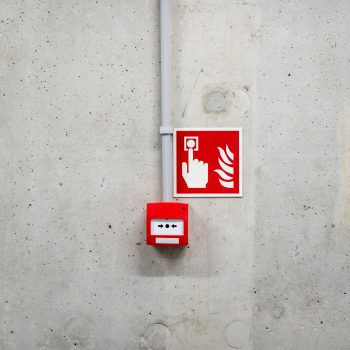
Fire alarms: Alert occupants to evacuate
-
Fire extinguishers: Must be easy to locate
-
Sprinklers and suppression systems: Trigger automatically to contain fires
Together, these systems help minimize damage, ensure a quick evacuation and ultimately save lives.
Final Thoughts
Emergency lighting isn’t just a legal requirement, it’s a vital part of your building’s fire safety strategy. When correctly installed and maintained, it can make the difference between a safe evacuation and a tragic outcome.
Don’t wait for an emergency to test your readiness.
✔️ Schedule a fire risk assessment
✔️ Ensure your emergency lighting is up to code
✔️ Invest in professional installation and regular maintenance
Need Help With Emergency Lighting or Fire Safety?
If you’re unsure whether your building complies with the latest fire safety regulations, it’s time to consult with a certified fire protection expert. Our team is here to help you stay safe, legal, and prepared.
Frequently Asked Questions (FAQ)
Q: How long should emergency lights stay on during a power failure?
A: Most regulations require emergency lighting to operate for at least 90 minutes during a power outage.
Q: Do all buildings need emergency lighting?
A: Most non-domestic buildings, including offices, schools, hospitals and public spaces must have emergency lighting installed.
Q: Can I test emergency lighting myself?
A: Basic monthly tests can be performed by trained staff, but annual tests should be carried out by a qualified professional.
👉 Contact us today for a free consultation and site assessment.

0 Comments